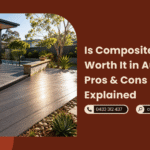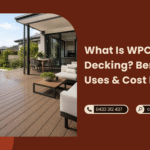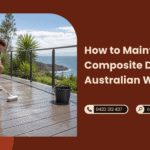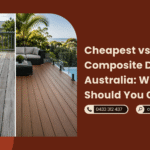
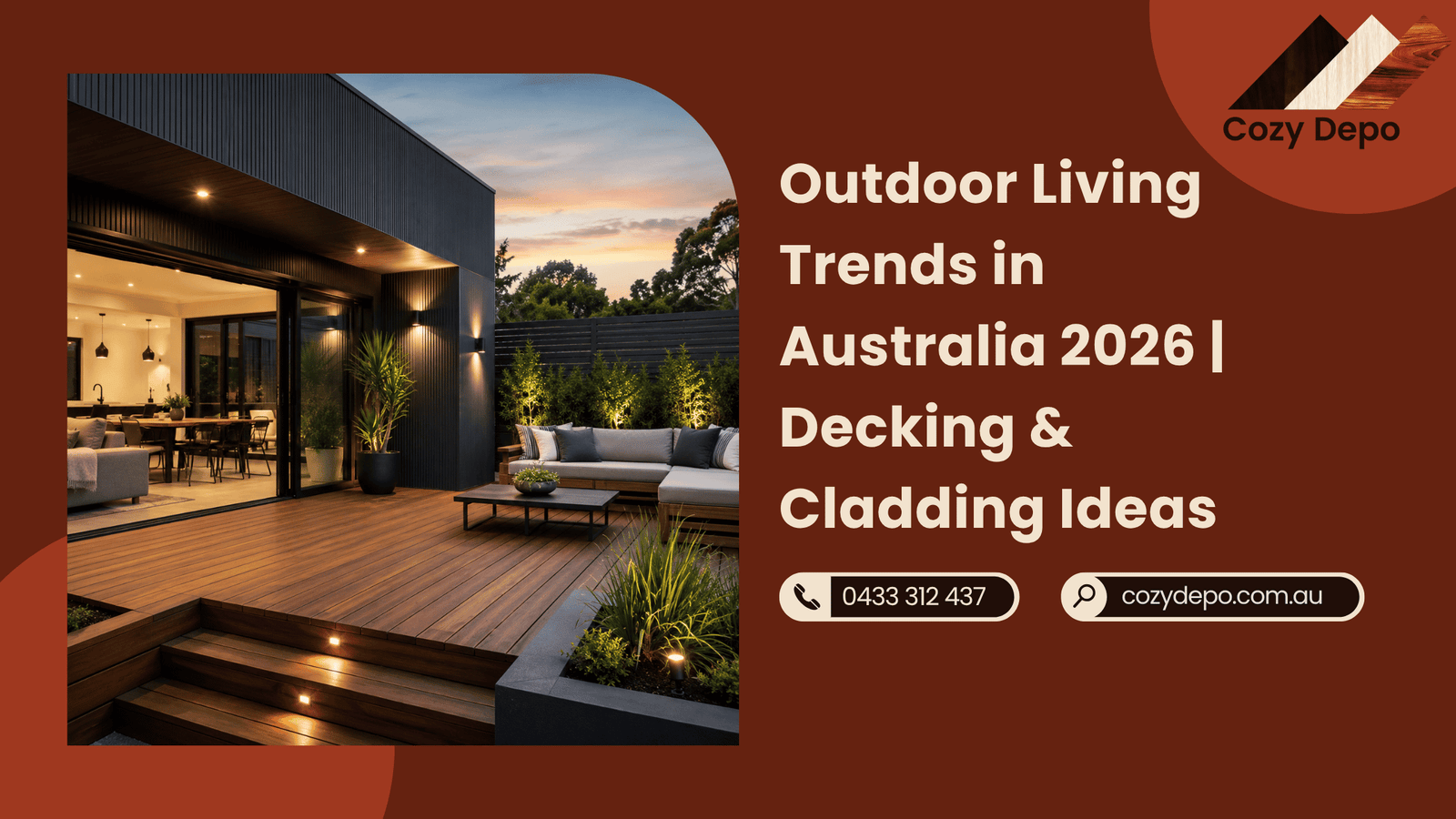
Australians have always had a strong connection with the outdoors. Whether it is a family barbecue, get-togethers, morning coffee sessions, or simply taking some time off from work to spend outdoors. Australians are putting more effort into creating a functional, elegant, and comfortable outdoor area.
Whether you’re in a Melbourne suburb with a compact courtyard or a Brisbane home with room to move, the trends in decking, external cladding Melbourne, and outdoor design are pointing in the same direction: practical, low-maintenance, and genuinely good-looking.
Here’s what’s happening right now and what’s worth paying attention to if you’re planning an outdoor upgrade.
The Outdoor Space Has Become a Proper Room
This is probably the biggest shift in Australian home design over the past decade. The backyard used to be somewhere you moved on the weekend. Now it’s an extension of the living room with proper seating, lighting, and materials that look as considered as anything inside the house.
Homeowners are investing in their outdoor spaces because they genuinely use them. School holidays, summer evenings, and weekend entertaining: the outdoor area earns its keep all year round. And when you’re actually living in a space, you want it to look good and function properly.
Composite Decking Is Growing Fast
Hardwood timber decking used to be the default. It looks warm, it’s familiar, and there’s something undeniably classic about it. But the maintenance reality of timber in Australian conditions has pushed a lot of homeowners toward composite decking, and once most people make the switch, they don’t look back.
Composite decking boards handle UV exposure, humidity, and heavy rain without warping, fading, or splintering. They don’t need annual oiling or sanding. They’re also more resistant to termites, which is a genuine concern in many parts of Australia.
The other thing that’s changed is how composite decking looks. Early versions had an obvious plastic quality to them. The products available today are a completely different story realistic timber textures, natural tones, and a finish that holds up season after season. For Melbourne homeowners especially, where the weather swings between extremes, composite decking is fast becoming the practical and stylish first choice.
Modern External Cladding Is Transforming Homes
Wall cladding systems have become extremely important in exterior landscaping. In addition to aesthetic improvements, cladding helps protect homes from environmental conditions and increases thermal insulation and real estate value.
Nowadays, people who are looking for external cladding Melbourne options are opting for designs that offer durability and an architectural style.
Some common types of cladding used in Australia are:
Timber Cladding
The use of timber cladding can make a home appear attractive, as it provides a warm look that fits into the surroundings. Timber cladding can be used together with a wooden deck and garden landscaping.
Composite Cladding
It is increasingly being used due to its low maintenance cost compared to timber cladding. Composite cladding is mostly used in contemporary houses.
Fibre Cement Cladding
The fibre cement panels give an attractive contemporary appearance while dealing effectively with harsh weather conditions in Australia. This type of cladding is widely used in Melbourne.
Vertical Cladding Styles
Vertical cladding styles have become quite popular in recently built Australian houses. This is because they give a contemporary design to the house while adding height and grandeur to it.
The use of contemporary cladding along with contemporary decking gives a high-end look to the outdoors.
Multi-Functional Outdoor Zones
The trend among Australian homeowners is no longer to have only one single space in their backyard. It involves creating more than one zone where they can carry out specific functions.
- These zones may include the following:
- Dining in the outdoors
- Fire pit corners
- Poolside relaxation zones
- Reading zones
- Outdoors kitchen areas
- Wellness or yoga areas
- Kids’ play spaces
This trend suits both big and small houses as well. A deck could be used to link all these zones together. Even compact backyards can feel spacious with smart zoning and layered design.
Decking often acts as the main feature connecting all these zones together.
Low Maintenance is the Goal
There’s been a real mindset shift here. A few years ago, low-maintenance materials were seen as the practical but slightly boring option. Real timber, natural stone those were the aspirational choices.
That’s genuinely changed. Most Australian homeowners today see low-maintenance outdoor materials as the smarter, better choice. Not because they’ve given up on quality, but because they’ve done the math on what it actually costs in time and money to keep natural materials looking good in this climate.
Composite decking, WPC cladding, and modern wall panels are now the aspirational choice for a lot of people. They look great, they hold up, and they free up weekends for actually enjoying the space rather than maintaining it.
The Alfresco Area Is Getting a Proper Design Treatment
Covered alfresco areas have been popular in Australian homes for a long time. But the design thinking going into them has become much more sophisticated. It’s not just a pergola and some pavers anymore.
Homeowners are now thinking about how the alfresco connects to the interior, what materials tie the two spaces together visually, and how lighting and cladding can create atmosphere after dark. Feature walls using external cladding panels, built-in deck seating, and integrated lighting are all becoming standard parts of a well-designed alfresco area.
For Melbourne homes where indoor-outdoor flow is a major selling point, getting the alfresco design right adds real value not just in liveability but in property appeal.
Vertical Design and Wall Panels Are Solving Space Problems
Not every Australian backyard is generous. Especially in inner-city Melbourne and Sydney, outdoor spaces can be compact. This is where vertical design decorative wall panels, cladding screens, and vertical gardens is making a real difference.
Instead of leaving blank fence lines or plain rendered walls, homeowners are using external cladding panels to add texture, warmth, and visual depth. It takes a small courtyard from feeling like a leftover space to feeling like a considered outdoor room.
Where to Start
If you’re thinking about upgrading your outdoor space, whether that’s a new deck, updated external cladding, or a full alfresco redesign, the materials you choose will define how it holds up and how much work it asks of you over time.
Cozydepo Australia supplies a full range of composite decking, WPC external cladding, wall panels, and accessories designed for Australian conditions. Whether you’re after timber-look boards, modern aluminium finishes, or something in between, they carry options that suit both the climate and the design direction most Australian homeowners are heading.
Start with what you actually want the space to do then find materials built to deliver it.
Explore the full range at cozydepo.com.au
FAQs
What outdoor trends are popular in Australia?
Modern decking, pergolas, sustainable gardens, and vertical cladding are trending.
Is composite decking better than timber?
Composite is easier to maintain, while timber offers a natural look.
What is the best decking material for Australian homes?
Composite and hardwood timber are the most popular outdoor decking choices.